

Losing weight isn’t about following the latest trend or starving yourself for quick results. The real secret is choosing one of the Best Diet Plans for Weight Loss that fits your lifestyle, health needs, and personal preferences. A good diet should help you lose extra weight while giving your body the nutrients it needs every day. It should also be easy enough to follow for months or even years. When you enjoy your meals and feel satisfied, you are much more likely to stay on track.
Many people try several diets before finding one that works. That happens because every person has different goals, habits, and health conditions. Some people need better weight management, while others want to improve their heart health or control diabetes. The right eating plan supports healthy weight loss, improves energy levels, and lowers the risk of many chronic diseases. This guide explains the Best Diet Plans for Weight Loss, how they work, and how you can choose the right one for your journey.
1. What Makes a Diet Plan Effective for Weight Loss?
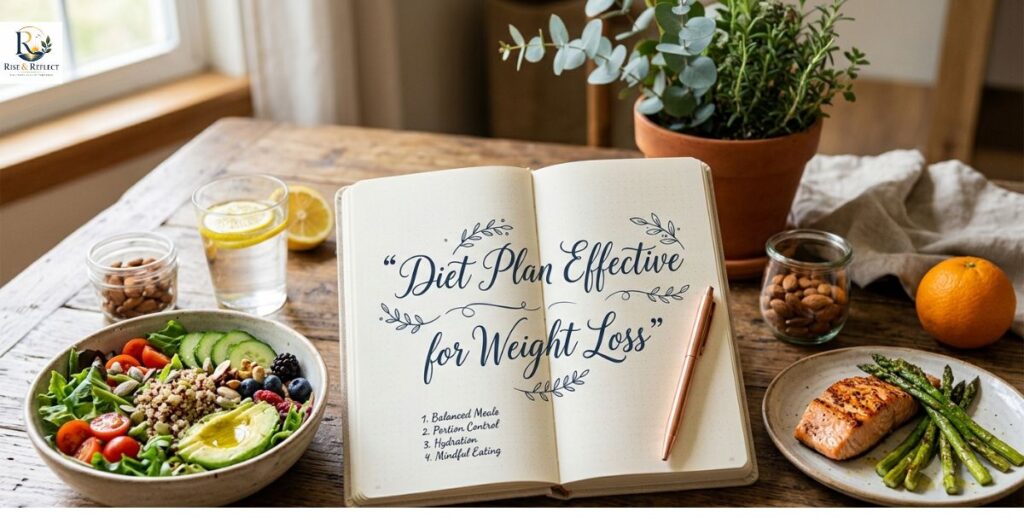
An effective weight loss diet focuses on building habits instead of chasing quick fixes. The best plans create a calorie deficit, meaning you eat slightly fewer calories than your body burns. This allows your body to use stored body fat for energy while still receiving vitamins, minerals, and protein. A good plan includes healthy eating, regular meals, and foods that keep you full longer. It also supports muscle preservation, which helps maintain a healthy metabolism during weight loss.
A successful diet should be flexible rather than restrictive. You should enjoy your meals instead of feeling deprived every day. Diets that include lean protein, fruits, vegetables, whole grains, and healthy fats are easier to maintain because they provide balanced nutrition. Research consistently shows that people who follow a balanced diet and build long-term healthy habits lose more weight and are less likely to regain it later.
Key Features of a Healthy Weight Loss Diet
| Feature | Why It Matters |
| Calorie deficit | Helps the body burn stored fat |
| Lean protein | Keeps you full and supports muscles |
| Whole grains | Provide lasting energy and fiber |
| Fruits and vegetables | Rich in vitamins and antioxidants |
| Healthy fats | Support hormones and brain health |
| Portion control | Prevents overeating |
| Water intake | Supports metabolism and hydration |
| Consistency | Leads to lasting success |
Why Sustainable Weight Loss Is Better Than Fast Weight Loss
Many people lose several pounds during the first week of a diet. Most of that early loss is water, not fat. Healthy fat loss happens slowly because your body needs time to adjust. Experts generally recommend losing one to two pounds each week. This steady pace protects your muscles, improves body composition, and reduces the chance of gaining the weight back.
Think of weight loss like planting a tree. You water it regularly and give it sunlight every day. It grows slowly, yet its roots become strong. Your health improves in the same way when you follow one of the Best Diet Plans for Weight Loss with patience and consistency.
2. The Best Diet Plans for Weight Loss
Several diets have strong scientific evidence behind them. The best choice depends on your health, food preferences, and daily routine. Instead of looking for the fastest results, choose a plan you can comfortably follow for years. The Best Diet Plans for Weight Loss are those that improve both your physical health and your relationship with food.
The table below compares some of the most popular and effective best diet plans for weight loss
| Diet Plan | Best For | Main Benefit | Long-Term Success |
| Mediterranean Diet | Overall health | Heart health and steady weight loss | Excellent |
| DASH Diet | High blood pressure | Lower sodium and balanced nutrition | Excellent |
| Intermittent Fasting | Busy lifestyles | Simpler eating schedule | Good |
| High-protein diet | Hunger control | Better fullness | Good |
| Low-carb diet | Blood sugar support | Reduced carbohydrate intake | Moderate |
| Plant-based diet | Healthy eating | Higher fiber intake | Excellent |
Mediterranean Diet
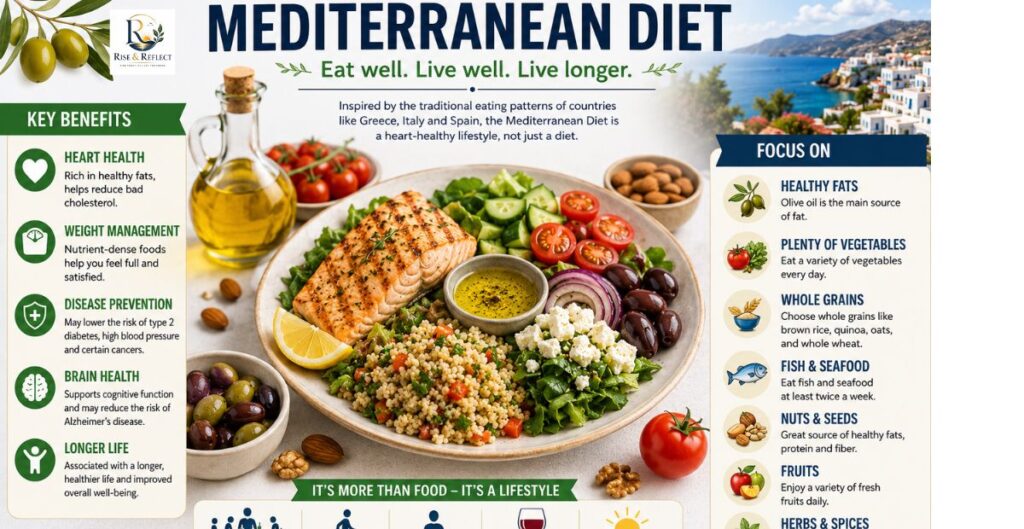
The Mediterranean Diet is one of the healthiest eating patterns in the world. It includes vegetables, fruits, beans, olive oil, fish, nuts, and whole grains. It limits processed foods and added sugar. This diet supports healthy lifestyle choices while reducing the risk of heart disease and type 2 diabetes.
People who follow the Mediterranean Diet often lose weight gradually without feeling hungry all the time. Its high fiber content keeps you satisfied, while healthy fats improve heart health. It is also one of the easiest diets to maintain because it does not eliminate entire food groups.
DASH Diet
The DASH Diet was originally created to lower blood pressure, but it also works well for weight loss. It encourages vegetables, fruits, low-fat dairy products, lean protein, and whole grains while limiting salt, sweets, and processed foods.
One of its biggest strengths is blood sugar regulation. Stable blood sugar helps reduce cravings and keeps energy levels steady throughout the day. Many healthcare professionals recommend the DASH Diet because it supports both weight loss and long-term health.
Intermittent Fasting
Intermittent fasting is one of the best diet plans for weight loss because it focuses on when you eat rather than what you eat. A popular approach is the 16:8 method, where you fast for 16 hours and eat all your meals within an 8-hour eating window. Some people prefer different fasting schedules that better fit their lifestyle and daily routine.
Many people find intermittent fasting effective because it naturally reduces calorie intake without requiring constant calorie counting. It may also help improve blood sugar control, boost fat burning, and support long-term weight management. These benefits make it one of the best diet plans for weight loss for individuals looking for a simple and flexible eating pattern.
For the best results, focus on eating balanced, nutrient-rich meals during your eating window. Include lean protein, whole grains, healthy fats, fruits, and vegetables while limiting processed foods and sugary drinks. Combining healthy food choices with intermittent fasting makes it one of the best diet plans for weight loss and supports a healthier lifestyle.
High-Protein Diet
A high-protein diet is considered one of the best diet plans for weight loss because it helps control hunger and keeps you feeling full for longer than carbohydrates or fats. Excellent sources of lean protein include chicken, fish, eggs, Greek yogurt, beans, lentils, and tofu, making it easier to enjoy satisfying and nutritious meals.
Protein plays a key role in preserving muscle mass while losing weight. Maintaining strong muscles helps your body burn more calories throughout the day, even when you are resting. This is one reason why many dietitians recommend a higher protein intake as part of the best diet plans for weight loss.
For the best results, combine a high-protein diet with regular physical activity and a balanced intake of fruits, vegetables, whole grains, and healthy fats. Following these healthy habits makes a high-protein eating plan one of the best diet plans for weight loss while supporting long-term health and sustainable weight management
Low-Carbohydrate Diet
Low-carb diets reduce foods such as bread, rice, pasta, and sugary snacks. Many people notice quick results because their bodies use stored carbohydrates and water first.
Although low-carb diets can help some people, they are not necessary for everyone. Choosing low glycemic index foods instead of refined carbohydrates often provides similar benefits while allowing a wider variety of meals.
Plant-Based Diet
Plant-based diets emphasize vegetables, fruits, beans, nuts, seeds, and whole grains. They provide plenty of fiber, vitamins, and antioxidants while naturally lowering calorie intake.
This eating pattern supports healthy eating, improves digestion, and reduces the risk of several chronic diseases. Many people also find it easier to maintain because there are countless delicious recipes available.
“The best diet isn’t the one that promises the fastest results. It’s the one you can happily follow for years.”
3. How to Choose the Best Diet Plan for Your Health Goals
Choosing among the Best Diet Plans for Weight Loss begins with understanding your own needs. A diet that works perfectly for someone else may not suit your lifestyle. Your work schedule, family meals, cooking skills, and medical history all influence which eating plan will be easiest to maintain. Creating a personalized meal plan often leads to better results because it matches your daily routine instead of forcing unrealistic changes.
You should also think beyond the number on the scale. Weight loss is important, yet improving body composition, increasing energy, and building long-term healthy habits matter just as much. Combine nutritious meals with regular physical activity, quality sleep, and stress management. These simple habits create a strong foundation for sustainable weight loss that lasts long after the diet ends.
4. Best Diet Plans for Different Health Conditions
Your health plays a major role in choosing the Best Diet Plans for Weight Loss. A diet that supports one condition may not be ideal for another. That is why it is important to select an eating plan that matches your medical needs and personal goals. A well-designed personalized meal plan can improve your overall health while helping you lose weight safely.
Doctors and dietitians often recommend eating patterns supported by scientific research instead of restrictive fad diets. Choosing foods that provide steady energy, support blood sugar regulation, and encourage healthy eating can make a noticeable difference. The table below shows which diet plans work well for common health conditions.
| Health Condition | Recommended Diet Plan | Main Benefit |
| Type 2 Diabetes | Mediterranean Diet | Better blood sugar regulation |
| High Blood Pressure | DASH Diet | Lower blood pressure |
| High Cholesterol | Mediterranean Diet | Improved heart health |
| PCOS | High-protein diet | Better hormone balance |
| Fatty Liver | Mediterranean-style eating | Reduced liver fat |
| Obesity | Intermittent Fasting with a balanced diet | Gradual fat loss |
| Older Adults | High-protein balanced diet | Muscle preservation |
For people with diabetes, choosing low glycemic index foods such as oats, beans, apples, berries, and lentils helps keep blood sugar steady. Those with heart disease or high cholesterol often benefit from olive oil, fish, nuts, and vegetables because these foods reduce unhealthy cholesterol levels. People with PCOS may experience better appetite control and improved insulin sensitivity by eating more lean protein and limiting sugary foods. Every health condition is different, so professional medical advice is always valuable before making major dietary changes.
5. Foods to Eat and Foods to Avoid on a Weight Loss Diet
The foods you choose each day have a greater impact than following complicated diet rules. The Best Diet Plans for Weight Loss focus on nutritious foods that satisfy hunger while supporting healthy weight loss. Eating plenty of vegetables, fruits, whole grains, and lean protein helps your body receive essential nutrients without excessive calories. These foods also contain fiber, which keeps you full for longer periods.
Highly processed foods often contain added sugar, unhealthy fats, and extra calories that contribute to weight gain. Replacing these foods with natural alternatives supports weight management and improves overall health. Small daily choices may seem simple, yet they create significant results over time.
Foods That Support Weight Loss
| Eat More Often | Why They Help |
| Lean protein | Builds muscles and reduces hunger |
| Whole grains | Provide lasting energy and fiber |
| Vegetables | Low in calories and rich in nutrients |
| Fruits | Natural sweetness with vitamins |
| Beans and lentils | High fiber and protein |
| Nuts and seeds | Healthy fats in moderation |
| Greek yogurt | Protein and calcium |
| Water | Keeps you hydrated and may reduce overeating |
Foods to Limit
| Limit These Foods | Better Alternative |
| Sugary drinks | Water or unsweetened tea |
| White bread | Whole-grain bread |
| Candy | Fresh fruit |
| Fried foods | Grilled or baked meals |
| Pastries | Oatmeal with berries |
| Processed snacks | Mixed nuts or yogurt |
A practical example shows how small changes work. Instead of eating fried chicken with fries, you could enjoy grilled chicken, brown rice, and steamed vegetables. Instead of drinking soda, choose water with lemon. These simple swaps reduce calorie intake while keeping meals enjoyable. Over weeks and months, these habits encourage sustainable weight loss without making you feel deprived.
“Healthy eating is not about perfection. It is about making better choices more often than poor ones.”
6. Exercise and Healthy Habits That Boost Weight Loss
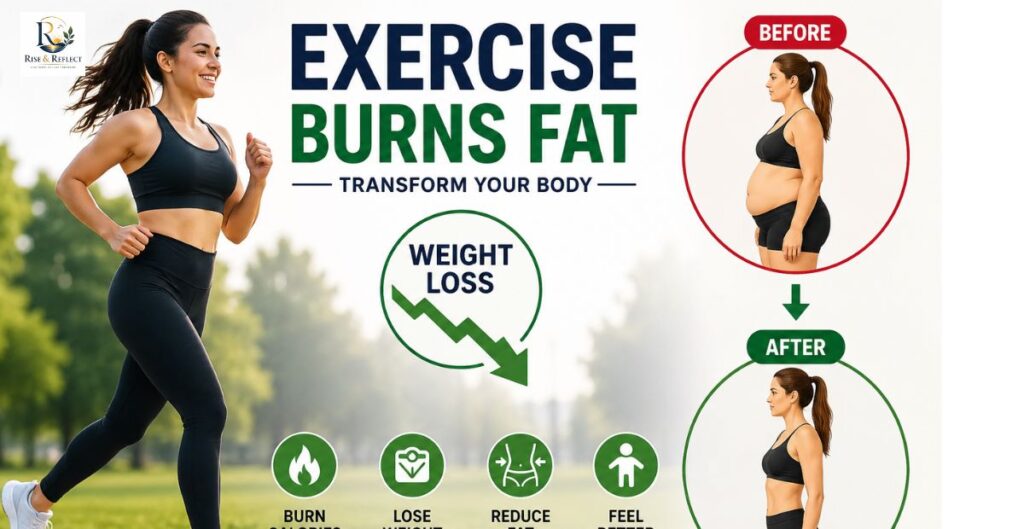
Even the Best Diet Plans for Weight Loss work better when combined with regular physical activity. Exercise increases calorie burning, strengthens muscles, and improves mood. It also helps preserve muscle during weight loss, leading to healthier body composition. Walking, cycling, swimming, and strength training all contribute to long-term success. You do not need intense workouts every day. Consistency matters much more than perfection.
Daily habits outside the gym are equally important. Sleeping seven to nine hours each night helps regulate hunger hormones. Drinking enough water supports digestion and may reduce unnecessary snacking. Managing stress through relaxation, hobbies, or meditation prevents emotional eating. Together, these simple routines build a healthy lifestyle that supports lasting results.
Weekly Activity Guide
| Activity | Suggested Time |
| Brisk walking | 150 minutes per week |
| Strength training | 2–3 sessions weekly |
| Stretching | 10–15 minutes daily |
| Light movement after meals | 10–20 minutes |
| Water intake | Around 2–3 liters daily, depending on individual needs |
A recent case study highlights the power of combining diet and exercise. Sarah, a 42-year-old office worker, struggled with weight gain after years of sitting for long hours. Instead of following an extreme diet, she chose the Mediterranean Diet, walked for 30 minutes five days a week, and performed light strength exercises twice weekly. She also focused on healthy eating and improved her sleep schedule. After eight months, she lost 30 pounds, lowered her cholesterol, increased her energy, and maintained her results because she developed long-term healthy habits instead of relying on temporary restrictions.
7. Common Weight Loss Diet Mistakes to Avoid
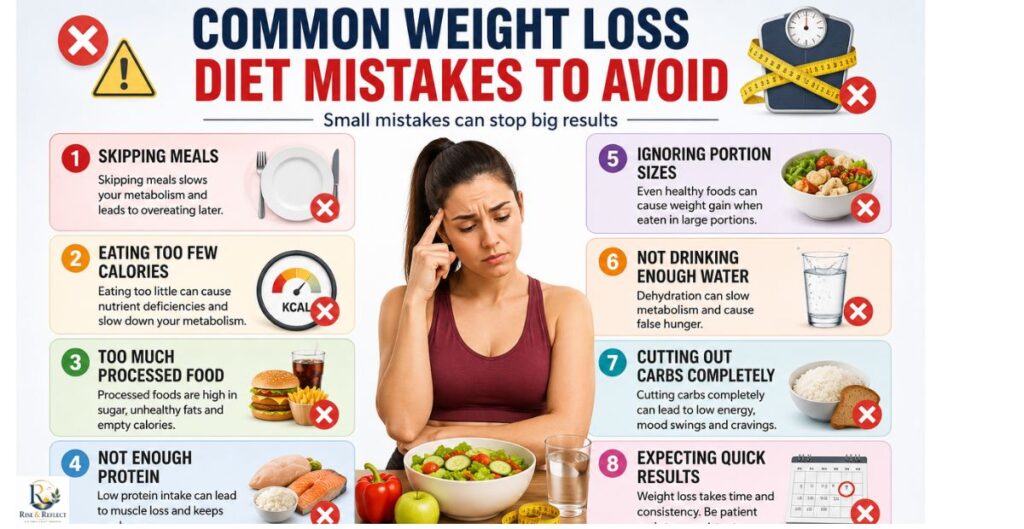
Many people start the Best Diet Plans for Weight Loss with excitement, yet they unknowingly make mistakes that slow their progress. Skipping meals, eating too little, or cutting out entire food groups can reduce energy and increase hunger. Your body needs enough nutrients to function well. A moderate calorie deficit works far better than extreme dieting because it helps protect muscle preservation while encouraging steady fat loss.
Another common mistake is expecting overnight success. Healthy weight loss takes time, and the number on the scale does not tell the whole story. Your clothes may fit better even if your weight changes slowly because your body composition is improving. Focus on consistent habits instead of quick results. Small improvements repeated every day often lead to remarkable long-term success.
| Common Mistake | Better Approach |
| Skipping meals | Eat balanced meals regularly |
| Cutting all carbohydrates | Choose whole grains in moderation |
| Avoiding healthy fats | Include nuts, seeds, and olive oil |
| Drinking sugary beverages | Drink water or unsweetened drinks |
| Ignoring exercise | Combine diet with physical activity |
| Following fad diets | Build a healthy lifestyle |
8. Can You Maintain Weight Loss After Dieting?
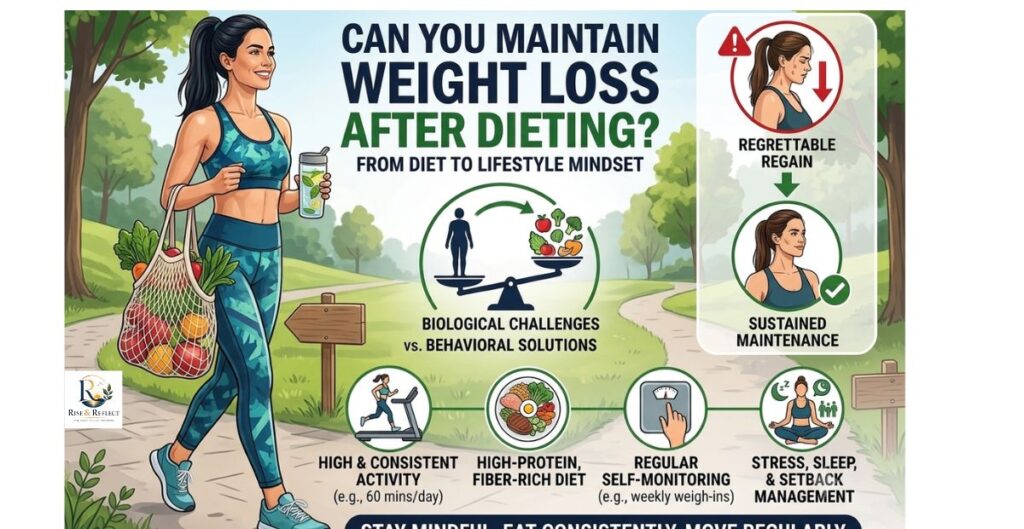
Yes, you can maintain your results if you view healthy eating as a lifelong habit rather than a temporary challenge. The Best Diet Plans for Weight Loss teach you how to eat well every day instead of following strict rules for a few weeks. Once you reach your goal weight, slowly increase your calorie intake while continuing to choose nutritious foods. This gradual approach helps your body adjust without encouraging rapid weight regain.
Maintaining weight also requires regular movement, mindful eating, and realistic expectations. Occasional treats are completely normal and should not make you feel guilty. What matters most is what you do most of the time. Continue practicing healthy eating, staying active, and following your personalized meal plan whenever possible. These routines support sustainable weight loss and strengthen long-term healthy habits that can last for years.
Simple Habits That Help Maintain Weight Loss
| Habit | Benefit |
| Weigh yourself once a week | Notice changes early |
| Stay physically active | Burn calories and protect muscles |
| Plan meals ahead | Reduce unhealthy food choices |
| Eat enough protein | Support fullness and muscle health |
| Sleep well | Improve hunger control |
| Drink plenty of water | Stay hydrated and reduce cravings |
Conclusion
Finding the Best Diet Plans for Weight Loss does not mean searching for a miracle solution. It means choosing a realistic eating pattern that fits your lifestyle and supports your long-term health. Whether you prefer the Mediterranean Diet, DASH Diet, Intermittent Fasting, or another balanced approach, consistency will always produce better results than short-lived extremes. Focus on creating a sensible calorie deficit, eating a balanced diet, choosing lean protein, enjoying whole grains, and staying physically active.
Remember that lasting success comes from building a healthy lifestyle, not from chasing perfection. Every nutritious meal, every walk, and every positive decision moves you closer to your goal. Develop long-term healthy habits, follow a personalized meal plan that works for you, and stay patient throughout the journey. Over time, these choices improve weight management, reduce body fat, support blood sugar regulation, and make healthy weight loss both achievable and sustainable. Your journey may begin with a Best Diet Plans for Weight Loss, but it succeeds through habits you can enjoy for life.
FAQ
Which diet is best for losing weight?
The Mediterranean diet is widely considered one of the best diets for weight loss because it is balanced, nutritious, and easy to follow long term.
Is the Mediterranean diet better than keto?
It depends on your goals. The Mediterranean diet is generally better for long-term health, while the keto diet may produce faster short-term weight loss.
Can I lose weight without exercise?
Yes. You can lose weight by maintaining a calorie deficit through healthy eating, although exercise helps improve results and overall health.
How much weight can I lose in a month?
Most experts recommend losing 4–8 pounds (2–4 kg) per month through a healthy diet and regular physical activity.
Which diet is easiest to follow?
The Mediterranean diet is one of the easiest diets to follow because it includes a wide variety of healthy, everyday foods.
What foods burn belly fat?
No single food burns belly fat, but foods rich in lean protein, fiber, whole grains, fruits, and vegetables can support fat loss when combined with a calorie deficit.
Is intermittent fasting safe?
Yes, intermittent fasting is safe for many healthy adults, but people with certain medical conditions, pregnant women, or those taking specific medications should consult a healthcare professional first.