
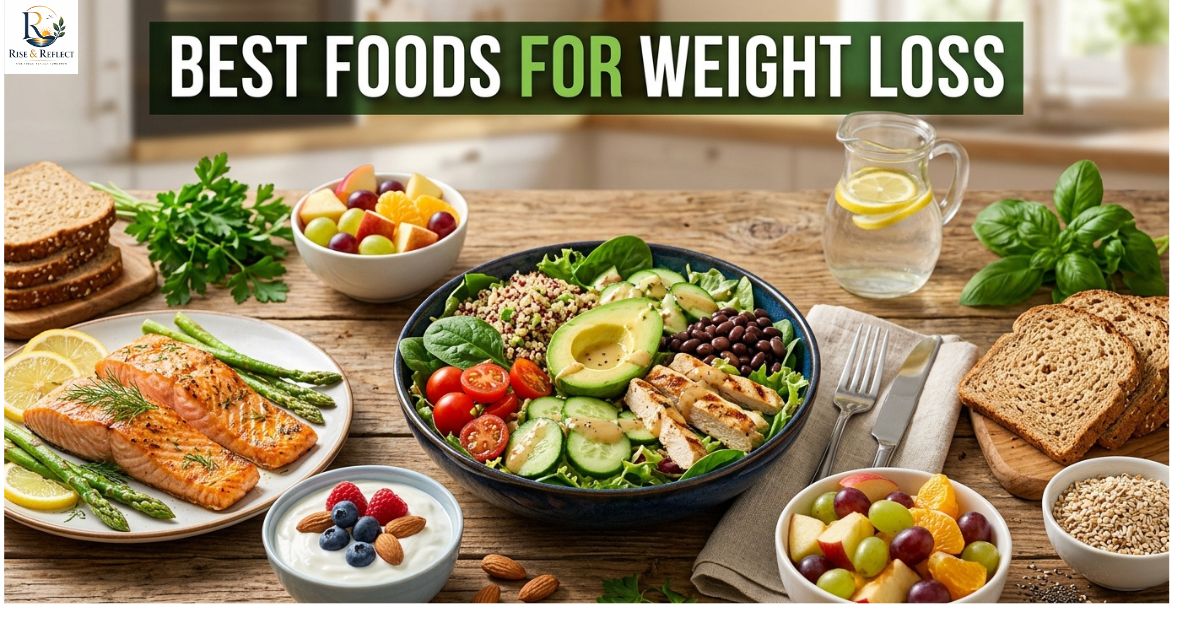
You eat your “healthy” meal, feel proud of yourself for about an hour, and then you have hungry again. Sound familiar? It’s not a willpower issue, and it is definitely not you doing something wrong. It’s usually just a food choice issue. Load your plate with things that are low in fiber and protein, and your body’s going to send out hunger signals fast, no matter how much you want to stick to your plan
Finding the best foods for weight loss is not about eating less it is about eating smarter. Here is the part that actually matters: losing weight doesn’t require living on bland salads or white-knuckling through hunger all day. Pick the right foods and you can stay full, keep your energy up, and still see the scale move. Below is a rundown of foods that genuinely satisfy hunger, a simple week-long structure to try, and a straight answer to the question I hear constantly is losing 10 kg in two months actually realistic?
The Best Foods for Weight Loss That Keep You Full
Protein, fiber, and water content. That’s basically it. These three slow down digestion, keep blood sugar steady, and tell your brain “I’m full” faster than processed food ever will.
Think about it this way: a 300-calorie bowl of oatmeal with berries will carry you for hours. A 300-calorie pastry has you hunting for a snack within the hour. Same number of calories, completely different experience. That gap is really the whole secret to sustainable weight loss it’s not about eating less, it’s about eating things that actually work for you.
Quick science, briefly: protein takes longer to break down and helps hold onto muscle while you lose fat. Fiber bulks up meals without adding many calories and slows how fast food leaves your stomach. Water-rich foods vegetables, most fruit physically take up space, so you feel full on fewer calories overall.
15 Foods Worth Keeping Around
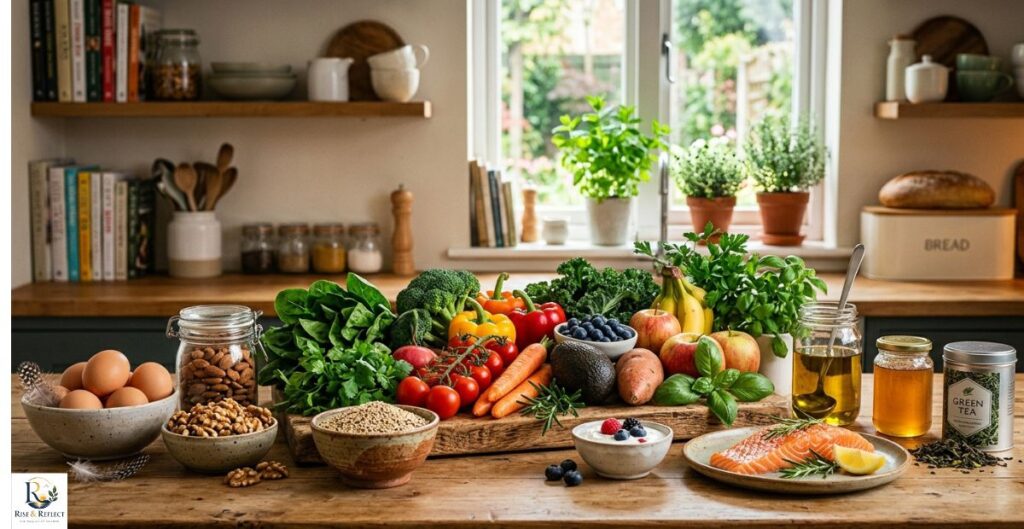
Protein
Eggs. Cheap, endlessly versatile, and the protein keeps hunger at bay for hours. Hard to find a better return on a couple of dollars.
Chicken breast. Lean, easy to batch-cook on a Sunday, works in basically any meal.
Greek yogurt. Protein plus gut-friendly probiotics solid at breakfast or as a snack.
Salmon or tuna. Protein and omega-3s together, which is good for metabolism and honestly just good for you generally.
Lentils and beans. Plant-based protein with a serious amount of fiber baked in. Great option for meat-free days, or any day really.
Fiber
Oats. Slow-digesting, keeps blood sugar level through the whole morning instead of spiking and crashing.
Spinach and kale. Barely any calories, tons of volume, packed with nutrients. Hard to beat on a calorie-per-bite basis.
Broccoli and cauliflower. Same idea — you can eat a genuinely large portion for very little caloric cost.
Chia seeds. They soak up liquid and expand once they’re in your stomach, which helps with fullness more than you’d expect from something so small.
Quinoa. A grain that pulls double duty — decent fiber and a real protein hit, which most grains don’t offer.
Healthy Fats and Fruit
Avocado. Slows digestion and makes meals feel richer and more satisfying, not just healthier.
Nuts and almonds. A small handful curbs cravings well — just watch the portion, since it’s easy to eat way more than “a handful” without noticing.
Apples. Fiber and water together make this one of the most filling fruits per calorie you can eat.
Berries. Lower in sugar than most fruit, high in fiber and antioxidants — good if you want something sweet without the sugar crash after.
Sweet potatoes. More filling than white rice or bread, and they still give you that fiber-rich carb your body actually wants.
A Simple 7-Day Structure
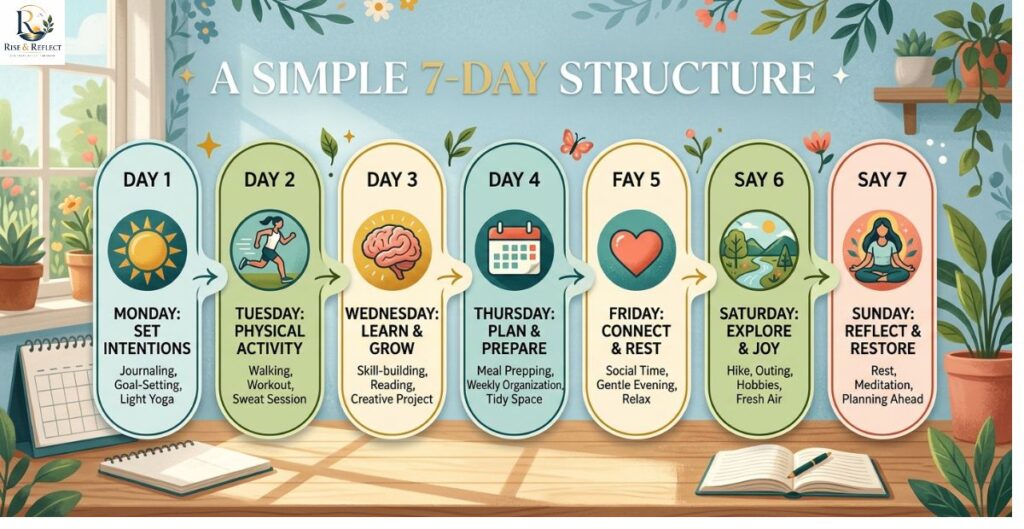
You don’t need a spreadsheet or a meal-prep influencer’s 40-page PDF to get started. You need a pattern you can repeat.
- Breakfast: rotate between eggs, oats, or Greek yogurt with berries
- Lunch: a protein (chicken, fish, or lentils) with a big portion of vegetables
- Dinner: lean protein, a fiber-rich carb like quinoa or sweet potato, and something leafy
- Snacks: an apple with almond butter, or a small handful of nuts
Rotate the specifics different vegetables, different proteins so it doesn’t get boring and you don’t end up back at the drive-through by Thursday. Rotating through a wider mix of best foods for weight loss also means you’re less likely to hit a wall of boredom that makes you quit. The point isn’t a perfect week. It’s a repeatable one. Most people who make it through seven days on a simple structure built around the best foods for weight loss find week two is a lot easier than week one was.
Can You Actually Lose 10 kg in 2 Months?
This comes up constantly, so let’s be honest about it instead of vague.
It’s possible for some people, but it’s on the aggressive side and not realistic or safe for everyone. Most health experts point to 0.5-1 kg per week as a sustainable pace, which puts a realistic two-month total closer to 4-8 kg for most people and that pace is easy enough to hit once you’re actually eating the best foods for weight loss instead of just cutting calories. It’s a slower number than most people want to hear, but it’s the one that sticks, especially when it’s built around best foods for weight loss rather than a crash diet you’ll abandon by week three.
There’s some nuance here, though. If you’re starting from a higher weight, the first couple of weeks often move faster, partly just from water loss. So results genuinely vary. If 10 kg in two months is what you’re aiming for, it’s worth a conversation with a doctor or dietitian first especially if anything else is going on health-wise, and especially before you start restricting rather than simply choosing better foods for weight loss. Crash diets that chase a number that fast tend to eat into muscle, not just fat, and that’s usually what leads to the rebound weight gain everyone dreads which is exactly why sticking with real, best foods for weight loss beats any quick-fix plan in the long run.
A Few Habits That Make the Food Choices Work Better
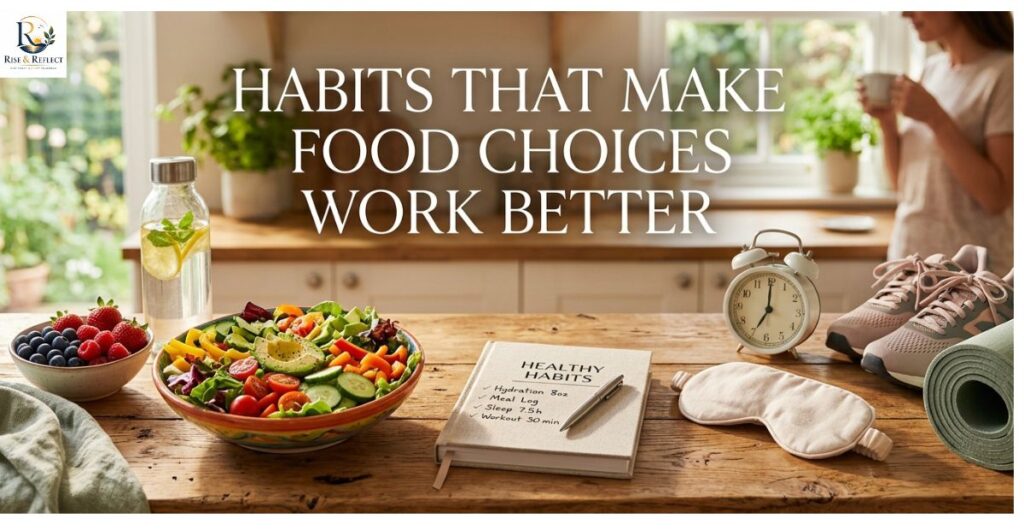
Picking the right food is maybe half the battle. These habits do a lot of the rest:
- Drink water before meals — small trick, genuinely reduces overeating
- Cook at home more — restaurants hide calories and sodium in places you’d never guess
- Don’t skip protein at any meal, breakfast included
- Sleep enough — short sleep drives up hunger hormones more than people realize
- Move daily, even if it’s just a walk — food and activity work better together than either does alone
Questions People Actually Ask
What are the best foods to eat to lose weight? Eggs, chicken breast, Greek yogurt, salmon, lentils, oats, leafy greens, avocado, berries, sweet potatoes — these show up on every expert list for a reason. They combine protein, fiber, or healthy fat in a way that keeps you full on fewer calories.
What can I eat to feel full and still lose weight? Lean toward high-protein, high-fiber food — eggs, beans, vegetables, whole grains. They digest slowly, which is exactly what keeps hunger from creeping back an hour later.
Can I really lose 10 kg in 2 months? It’s possible but pushing it. A more sustainable range is 4-8 kg over two months, based on the standard 0.5-1 kg per week guideline.
What should the first 7 days of a weight loss plan look like? Build every meal around a protein, a fiber-rich vegetable or grain, and a healthy fat. Repeat that structure with some variety and you’ve got a solid week.
Do I need to cut carbs entirely? No. Fiber-rich carbs like oats, quinoa, and sweet potatoes actively help you feel full — they’re not the problem. Refined carbs like white bread and sugary snacks are usually the actual issue.
Bottom Line
Weight loss doesn’t have to feel like punishment. Fill your plate with protein and fiber and hunger stops fighting you the way it used to — which makes consistency a whole lot easier to keep up. Start small: swap one processed snack for a piece of fruit, work eggs or Greek yogurt into breakfast, or build just one meal a day around this list of best foods for weight loss.
Pick three foods from above, put them on your grocery list this week, and build your next meal around them. That’s really the whole strategy behind best foods for weight loss it’s the small, repeated changes, not the extreme diets nobody sticks with, that actually add up to lasting results.