
Almost everyone has tried a crash diet at some point. You lose a few kilos, feel great for three weeks, and then the weight creeps back. If that sounds familiar, you’re not failing. The approach was.
The most effective weight loss methods aren’t secret tricks or magic drinks. They’re a handful of simple, well-researched habits that work together: eating a balanced diet, controlling portions, getting enough protein and fiber, moving more, sleeping well, and staying consistent. This guide walks you through each one in plain language, so you can build a plan that fits your life and lasts.
In this article you’ll learn:
- How weight loss actually works (calories, metabolism and energy balance)
- Which diet and portion strategies make the biggest difference
- Whether exercise and intermittent fasting really help
- How to break through a plateau and stay motivated long term
Quick answer: Among the most effective weight loss methods is a modest calorie deficit built on whole foods, enough protein and fiber, regular exercise, good sleep and habits you can maintain. Aim for about 0.5 to 1 kg (1 to 2 pounds) per week.
How Weight Loss Works: Calories, Metabolism, and Energy Balance
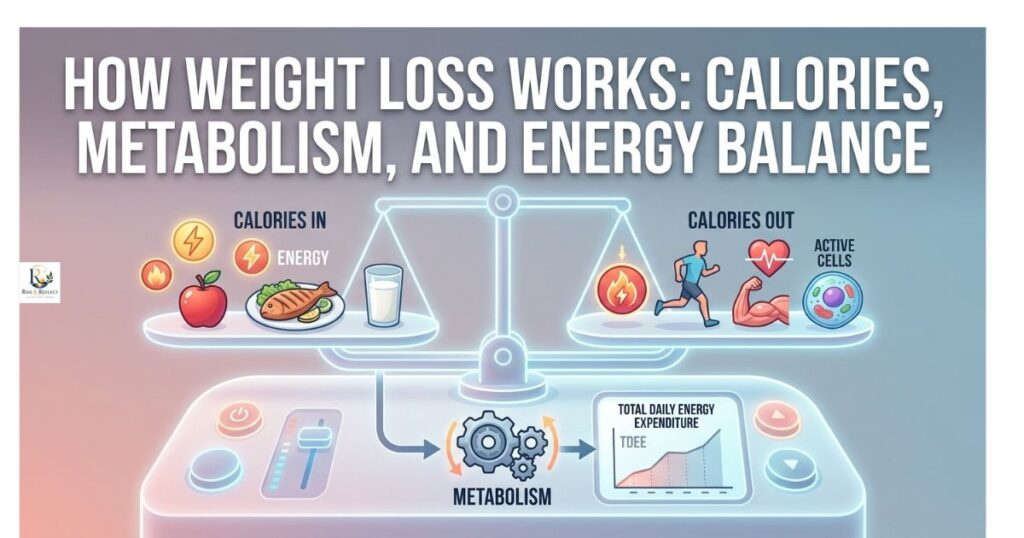
Your body burns energy all day, even while you sleep. That energy comes from the calories in food and drink. When you eat about the same amount you burn, your weight stays stable. When you regularly eat less than you burn, your body uses stored fat to make up the difference. That’s weight loss in a nutshell.
Your metabolism is simply the process of turning food into energy. It’s influenced by age, muscle mass, sex, genetics and activity level. You can’t “reset” it with a detox tea, but you can support it by keeping your muscles strong and not slashing calories too far.
Why the Most Effective Weight Loss Methods All Start With Energy Balance
Every approach that works, whether low-carb, Mediterranean or plant-based, ends up creating a calorie deficit in a way the person can stick with. Public health agencies such as the CDC point out that steady loss of roughly 1 to 2 pounds a week is more likely to be maintained than rapid drops. Slow and steady isn’t glamorous, but it’s what the evidence supports.
Adopt a Balanced and Healthy Diet for Weight Loss
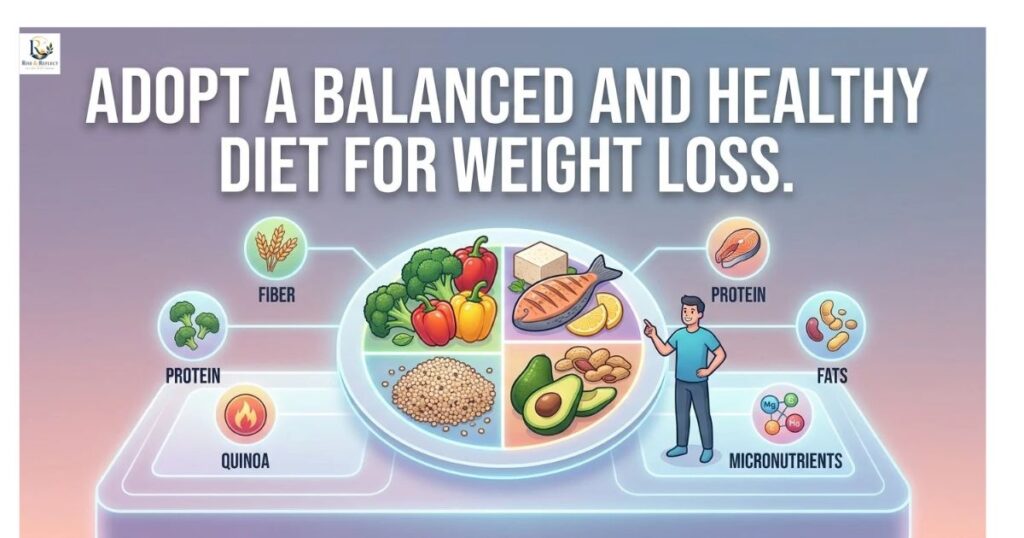
You don’t need to ban entire food groups. A balanced diet for weight loss fills most of your plate with foods that are filling but not calorie-dense:
- Vegetables and fruit: high in water and fiber, low in calories
- Whole grains: oats, brown rice, whole-wheat bread and lentils
- Lean protein: fish, eggs, chicken, beans, yogurt and tofu
- Healthy fats: nuts, olive oil, seeds and avocado, in small amounts
Cutting back on sugary drinks, fried snacks, pastries and ultra-processed foods is one of the easiest swaps you can make, and small changes like this are among the most effective weight loss methods for beginners. A single sweetened soft drink can contain around 140 calories or more, and it barely makes you feel full.
Example: Swapping two daily sugary drinks for water or unsweetened tea removes roughly 250 to 300 calories a day without changing a single meal.
Practice Portion Control and Track Your Calorie Intake
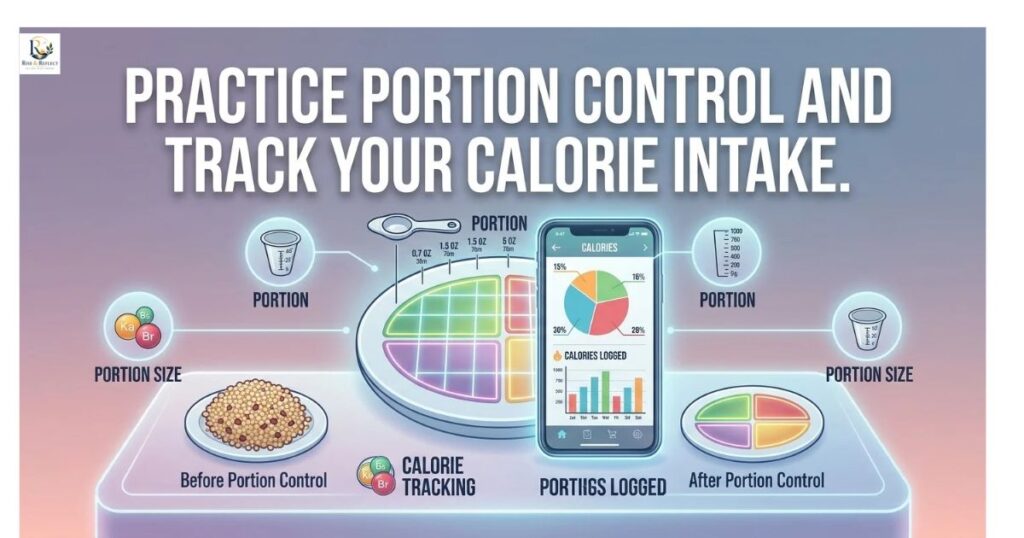
Even healthy food can stall your progress if portions are large. Most of us underestimate how much we eat, which is why short-term tracking is so useful.
Simple Ways to Control Portions
- Use a smaller plate and serve food in the kitchen rather than at the table.
- Fill half your plate with vegetables before adding anything else.
- Use your hand as a guide: a palm of protein, a fist of grains, a thumb of fat.
- Eat slowly. It takes about 20 minutes for fullness signals to reach your brain.
- Never eat straight from the bag or box.
Should You Count Calories?
Tracking with an app for two to four weeks can teach you what a normal serving looks like. You don’t have to do it forever. Many people find that once they understand portion sizes, they can ease off and rely on habit.
Choose the Best Diet Plan for Your Weight Loss Goals
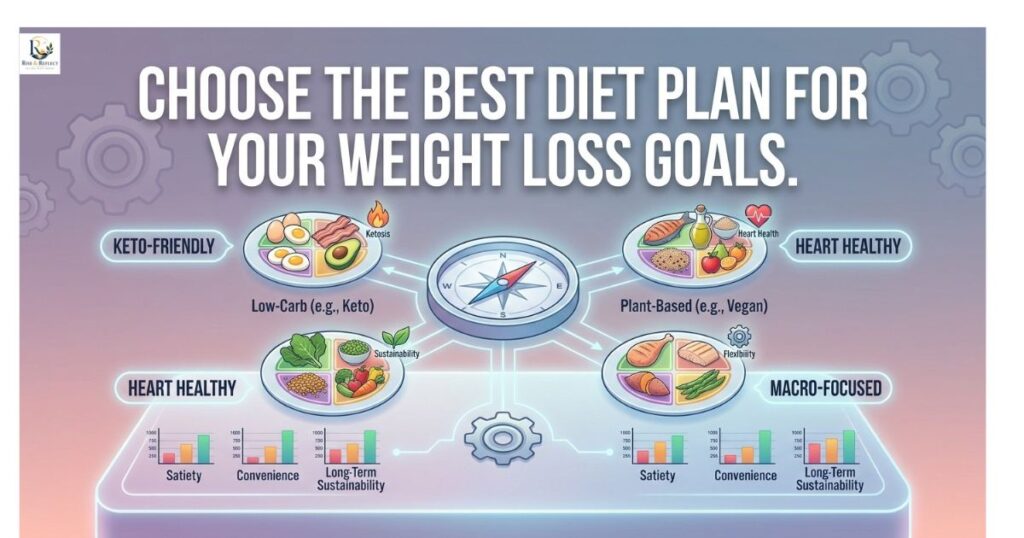
There’s no single best diet for everyone. The best plan is the one you can follow for months, not days. Women often ask what diet is best for weight loss, and the honest answer is the same: a balanced, nutrient-rich pattern that includes enough iron, calcium and protein, since these needs can be higher for women.
Which of the Most Effective Weight Loss Methods Fits Your Lifestyle?
Here’s a quick comparison of popular approaches:
| Approach | How It Works | Best For | Watch Out For |
| Mediterranean diet | Vegetables, fish, olive oil, whole grains | Heart health and long-term eating | Portion sizes of oils and nuts |
| Low-carb diet | Fewer breads, rice and sugars | People who feel hungry on high-carb meals | Fiber and nutrient gaps |
| Plant-based diet | Mostly vegetables, legumes and grains | Those who enjoy vegetarian food | Protein and vitamin B12 |
| Intermittent fasting | Eating within set time windows | People who prefer fewer, larger meals | Overeating in the eating window |
| Calorie-controlled balanced plate | Moderate deficit, no banned foods | Beginners and families | Needs some tracking at first |
Mayo Clinic’s weight-loss guidance stresses that lasting results come from changing everyday habits rather than following a short-term plan. If you have diabetes, thyroid problems, are pregnant or take regular medication, speak with a doctor or registered dietitian first.
Eat More Protein and Fiber to Stay Full Longer
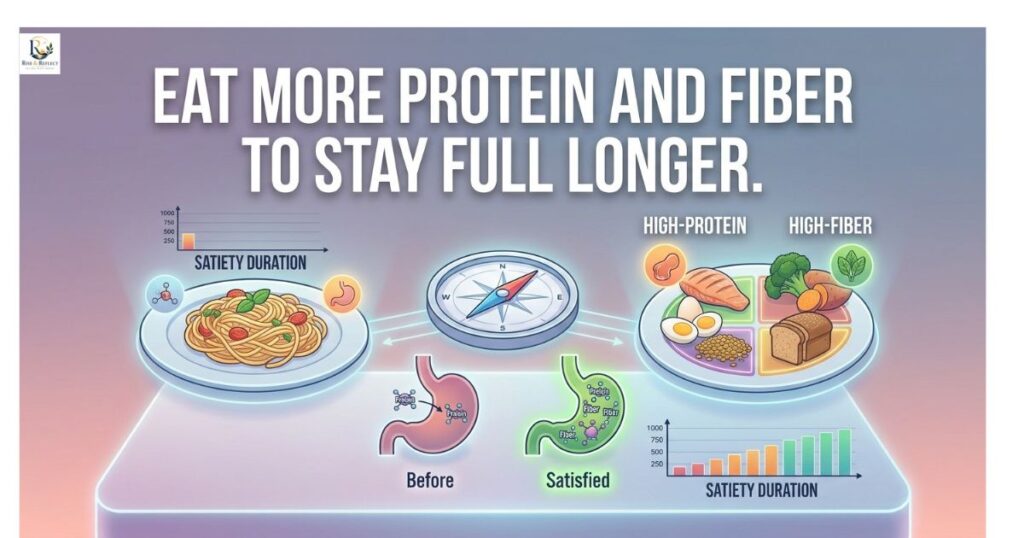
If you remember only one nutrition tip, make it this one, because filling meals rank among the most effective weight loss methods for controlling hunger. Protein and fiber are the two nutrients that most reliably keep hunger under control.
- Protein takes more energy to digest and helps you hold on to muscle while you lose fat. Include a source at every meal: eggs at breakfast, lentils or chicken at lunch, fish or paneer at dinner.
- Fiber adds bulk and slows digestion. Good sources are oats, beans, chickpeas, apples, guavas, leafy greens and whole-wheat roti.
A breakfast of two eggs, vegetables and a slice of whole-grain toast will keep most people fuller than a sugary cereal or white-bread sandwich with the same calories.
Stay Hydrated and Build Healthy Daily Habits
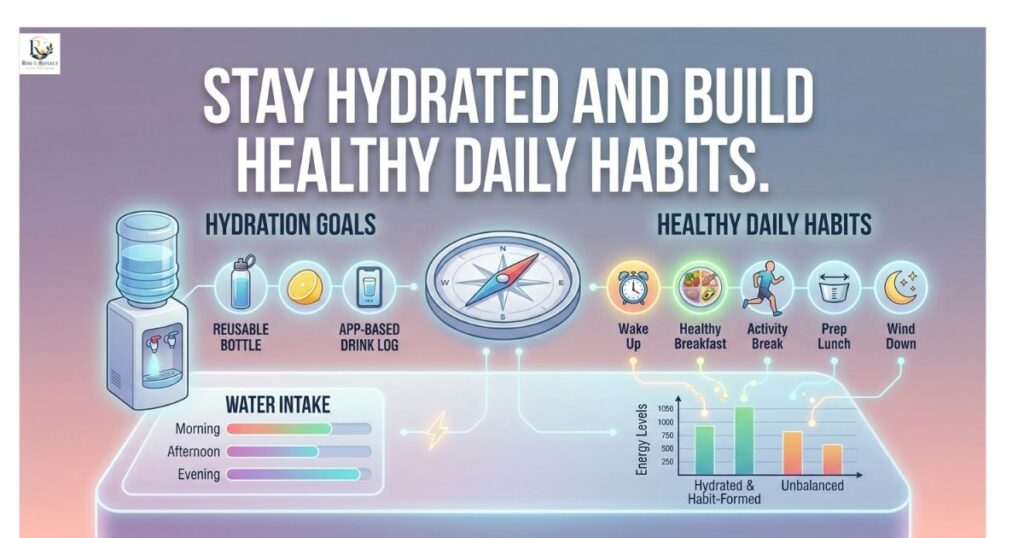
Thirst is easily mistaken for hunger. Drinking a glass of water before meals can help some people eat a little less, and replacing sugary drinks with water is a proven calorie saver.
What About Weight Loss Drinks?
Water, plain green tea, black coffee and unsweetened lemon water are fine choices. But no drink melts fat on its own. “Detox” and “fat-burning” drinks mostly work as marketing. Think of them as a pleasant replacement for sugary beverages, not a solution.
Habits That Quietly Add Up
- Sleep 7 to 9 hours. Poor sleep raises hunger hormones and cravings.
- Manage stress. Stress eating is real; try walking, stretching or journaling.
- Plan meals. A little prep prevents last-minute takeout.
- Walk daily. Aim for 7,000 to 10,000 steps if your health allows.
- Keep trigger foods out of sight, or out of the house.
Does Exercise and Intermittent Fasting Help With Weight Loss?
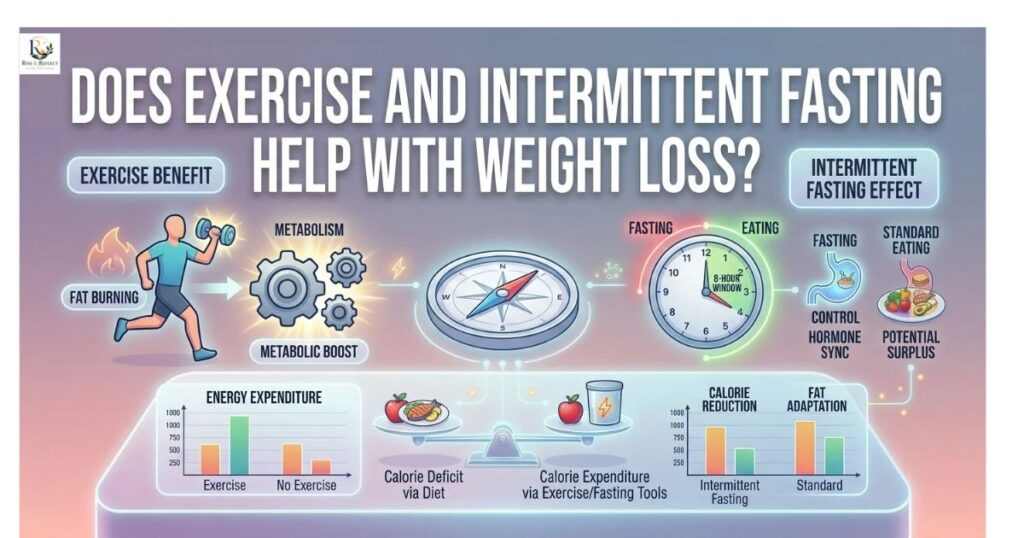
Short answer: Yes, both can help, but neither works well without sensible eating.
Exercise
Diet drives most of the weight loss, while exercise protects your muscle, improves mood and makes it far easier to keep the weight off. The usual adult guideline is at least 150 minutes of moderate activity a week (like brisk walking), plus strength training twice a week. Lifting weights or doing bodyweight exercises helps you keep lean muscle, which supports your metabolism.
Intermittent Fasting
Intermittent fasting, such as eating only within an 8 to 10 hour window, helps some people because it naturally limits how much they eat. Studies generally show results similar to regular calorie reduction. It isn’t suitable for everyone, including pregnant women, people with a history of eating disorders, and those managing diabetes with medication. Check with a doctor if you’re unsure.
How to Overcome a Weight Loss Plateau
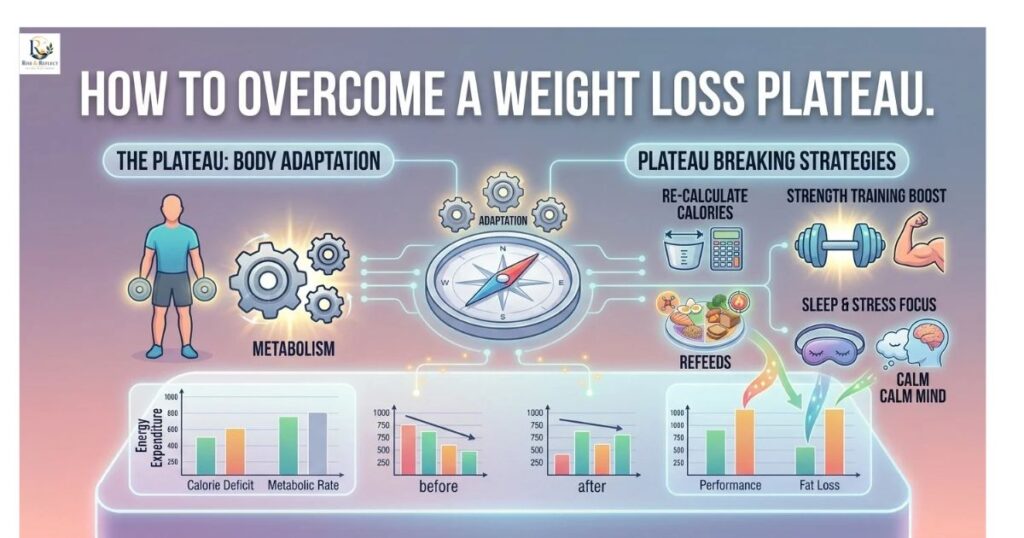
Almost everyone stalls at some point. As you lose weight, your body needs fewer calories, and your daily movement can unconsciously drop. A plateau is normal, not a failure, and the fix is usually to return to the most effective weight loss methods you started with.
Try these steps:
- Review your portions. Portion creep is the most common cause.
- Add strength training or increase the intensity of your walks.
- Increase daily movement, such as taking stairs or short walks after meals.
- Check protein, fiber and sleep.
- Be patient for 2 to 3 weeks. Weight fluctuates with water, salt and hormones, so look at the trend rather than daily numbers.
If you’ve stalled for over a month despite consistent effort, a doctor can check for issues like thyroid conditions or medication effects.
How to Stay Motivated and Maintain Long-Term Weight Loss
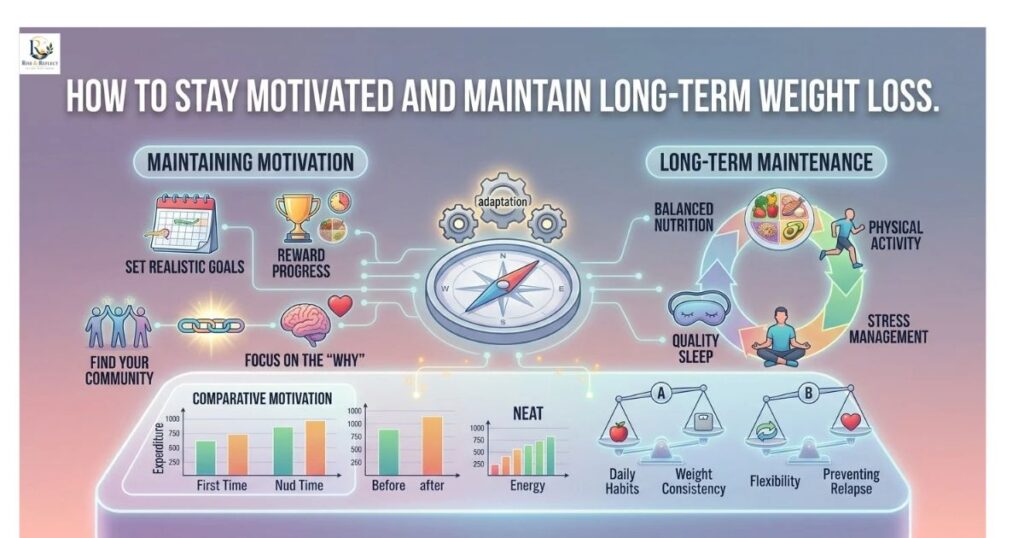
Losing weight is one challenge. Keeping it off is the real test, and research suggests many people regain weight within a few years. The people who succeed tend to share a few habits.
Keep Using the Most Effective Weight Loss Methods After You Reach Your Goal
- Set small, specific goals, like “walk 30 minutes, five days a week,” instead of only chasing a number.
- Track progress in more than one way: waist measurement, energy, strength and how your clothes fit.
- Weigh yourself weekly, not daily.
- Follow the 80/20 approach: eat well most of the time and enjoy treats without guilt.
- Find support, whether a friend, a family member, a group or a healthcare professional.
- Forgive slip-ups. One bad meal doesn’t undo weeks of effort.
Frequently Asked Questions About Effective Weight Loss Methods
How do you lose weight fast, naturally and permanently?
Eat whole foods, keep a moderate calorie deficit, get enough protein and fiber, move daily and sleep well. Permanent results come from habits, not quick fixes.
How can a girl lose weight in 2 weeks?
Realistically, two weeks can bring a small, healthy drop of about 1 to 2 kg, much of it water. Cut sugary drinks, control portions, walk daily and sleep well. Avoid crash diets, which cause rebound weight gain.
What diet is best for weight loss for females?
A balanced diet with plenty of vegetables, lean protein, whole grains and healthy fats, with enough iron and calcium. The best diet is the one you can sustain.
Do weight loss drinks work?
Not on their own. Water, green tea and black coffee can support a healthy routine, but no drink burns fat by itself.
What is the fastest way for a woman to lose weight safely?
Combine a modest calorie deficit, high-protein and high-fiber meals, strength training and good sleep. Fast loss beyond 1 kg a week is rarely safe or sustainable.
What are the most effective weight loss methods overall?
The most effective weight loss methods combine a balanced diet, portion control, enough protein and fiber, regular exercise and lasting lifestyle habits, with medical support where needed.
Conclusion: Start Small and Stay Consistent
The most effective weight loss methods are not dramatic. They’re ordinary habits done consistently: a plate full of whole foods, sensible portions, protein and fiber at every meal, daily movement, good sleep and patience with yourself.
Ready to begin? Pick just two changes from this guide today, such as swapping sugary drinks for water and walking for 30 minutes, and build from there. If you have a medical condition or a large amount of weight to lose, book a visit with your doctor or a registered dietitian for a plan tailored to you.
References
- Centers for Disease Control and Prevention (CDC). Losing Weight. https://www.cdc.gov/healthy-weight-growth/losing-weight/index.html
- Mayo Clinic. Weight loss: 6 strategies for successful weight loss. https://www.mayoclinic.org/healthy-lifestyle/weight-loss/in-depth/weight-loss/art-20047752
This article is for general education and isn’t a substitute for personal medical advice.