
You have just had a baby, and your body is doing something remarkable. Maybe the scale dropped faster than you expected. Maybe it barely moved and you’re wondering what’s wrong. Either way, you probably have questions.
Rapid weight loss after birth is more common than most new moms realize, and most of the time it’s completely normal. A good chunk of that early drop is the baby, the placenta, and extra fluid leaving your body. The harder part is what comes next, because losing the rest of the weight takes patience, food, rest, and a realistic plan.
In this guide, you’ll learn how much weight you can expect to lose, how long it usually takes, how to lose weight after pregnancy safely, how breastfeeding changes things, and when a sudden drop is a reason to call your doctor.
Understanding Postpartum Weight Loss and What to Expect
Most women lose around 10 to 13 pounds right after delivery. That number comes from the baby’s weight, the placenta, amniotic fluid, and some blood loss. It’s the reason you may look noticeably smaller the day after you give birth, even though you still look pregnant.
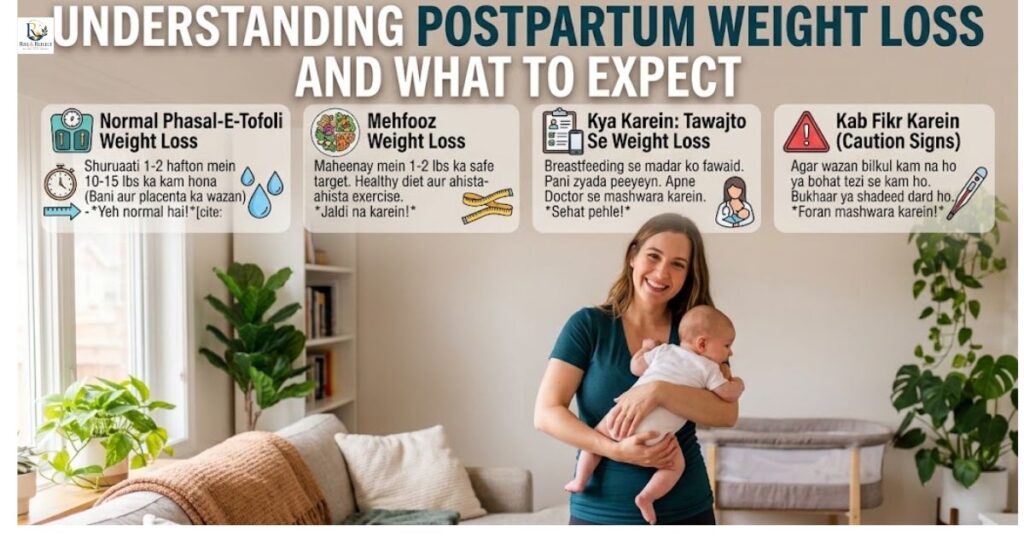
Over the next few weeks, your body sheds more water. Pregnancy increases your blood volume and fluid retention, so night sweats, extra trips to the bathroom, and swelling going down all show up on the scale. This is the first stage of rapid weight loss after birth, and it isn’t fat loss.
After that, the pace slows. The remaining pregnancy weight, which includes fat stores your body built up to support breastfeeding, comes off gradually. Every woman is different. Your pre-pregnancy weight, how much you gained, your delivery type, and your feeding choices all play a part. Comparing yourself to a friend or a celebrity rarely helps.
How Long Does It Take to Lose Weight After Giving Birth?
There’s no single answer, but a useful rule of thumb is that many women return to or near their pre-pregnancy weight somewhere between six months and a year after delivery. Some take longer, and that’s okay. The American College of Obstetricians and Gynecologists (ACOG) describes the postpartum period as an ongoing process of recovery rather than a six-week finish line.
Healthy postpartum weight loss tends to be slow and steady. The Centers for Disease Control and Prevention (CDC) suggests that gradual loss of about one pound per week is a reasonable pace for most women who are breastfeeding. Anything much faster than that, especially if you’re eating very little, deserves a second look.
How to Lose Weight After Pregnancy Safely
You don’t need a special program. You need a few habits you can actually keep while running on broken sleep.
Eat a Balanced and Nutritious Diet
Your body is healing, and if you’re nursing, it’s also making milk. That takes fuel. Build meals around whole grains, lean protein, fruits and vegetables, and healthy fats such as olive oil, nuts, and avocado. A balanced diet gives you steady energy and helps you avoid the afternoon crash that sends you to the vending machine.
A simple plate method works well. Fill half your plate with vegetables or fruit, a quarter with protein, and a quarter with whole grains.
Choose Protein-Rich and High-Fiber Foods
Protein keeps you full and supports tissue repair after delivery. Good options include eggs, Greek yogurt, chicken, fish, lentils, and beans. High-fiber foods like oats, berries, chickpeas, and whole-wheat bread help with digestion, which is often sluggish after birth.
Healthy snacks you can eat one-handed are a lifesaver. Try nut butter on toast, hummus with carrots, or yogurt with fruit.
Drink Enough Water
Dehydration can feel a lot like hunger and fatigue. Keep a big water bottle wherever you feed the baby. Breastfeeding moms usually need more fluids than usual, so drink when you’re thirsty and add a glass whenever you nurse. Clear or pale yellow urine is a good sign you’re doing fine.
Avoid Crash Diets and Extreme Calorie Restriction
Cutting calories hard may sound like the fastest route, but it often backfires. Crash diets can leave you weak, make you moody, slow your recovery, and reduce your milk supply. They also tend to cause rebound weight gain. If you want to lose weight, a modest and steady calorie reduction is safer than skipping meals.
Postpartum Weight Loss While Breastfeeding
Does Breastfeeding Help You Lose Weight?
It can, but not for everyone. Making milk uses energy, and some women notice the weight coming off more easily while nursing. Others hold on to weight because their appetite increases or because the body protects fat stores during lactation. Both patterns are normal.

Postpartum hormones also matter. Prolactin, the hormone that drives milk production, can raise appetite. So don’t be discouraged if breastfeeding isn’t acting like the magic weight-loss tool you were promised.
How Many Calories Do Breastfeeding Mothers Need?
According to the CDC, breastfeeding mothers need roughly 330 to 400 extra calories a day compared to before pregnancy. That’s about the same as a banana with a tablespoon of peanut butter and a glass of milk. Eating too little can lower your energy and may affect your milk supply, so most doctors advise against dieting aggressively in the first couple of months.
Foods to Eat While Breastfeeding and Losing Weight
Focus on foods that give you the most nutrition per bite:
- Salmon and other low-mercury fish for omega-3 fats
- Eggs, lean meat, and tofu for protein
- Leafy greens, sweet potatoes, and berries for vitamins
- Oats, brown rice, and quinoa for lasting energy
- Dairy or fortified alternatives for calcium
Safe Postpartum Exercises to Help You Lose Weight

Start With Gentle Walking
Walking is the easiest place to start. It’s low-impact, free, and you can take the baby along. Begin with five or ten minutes around the house or block and build up gradually as you feel stronger. Even short walks improve your mood and help your sleep.
When Can You Start Exercising After Giving Birth?
ACOG says that if you had an uncomplicated vaginal delivery, you can often resume light activity within days, as soon as you feel up to it. Always get your doctor’s go-ahead first, especially if you had tearing, heavy bleeding, or any complications. Your postpartum checkup is a good time to talk about a more complete plan. Over time, the general goal for adults is about 150 minutes of moderate activity a week.
Postpartum Exercises for Abdominal and Core Strength
Your core and pelvic floor have been stretched for nine months. Start with gentle moves such as:
- Pelvic floor exercises (Kegels): Squeeze and hold for a few seconds, then release.
- Deep belly breathing: Helps reconnect with your deep abdominal muscles.
- Pelvic tilts and bridges: Build strength without straining.
Skip crunches and heavy planks at first. If you notice a bulge down the middle of your belly, you may have diastasis recti, and a pelvic floor physical therapist can guide you.
Exercise After a C-Section vs. Vaginal Delivery
A cesarean is major abdominal surgery, so recovery takes longer. Walking is still encouraged, but you’ll usually need to avoid lifting anything heavier than your baby and hold off on core workouts until your provider clears you, often around six weeks or later. After a vaginal delivery, many women can ease into exercise sooner, though pacing yourself still matters.
Why Am I Not Losing Weight After Pregnancy?
If the scale won’t budge, you’re far from alone. Several things can get in the way.
Hormonal Changes and Postpartum Weight Retention
Estrogen, progesterone, and thyroid hormones shift dramatically after birth. A condition called postpartum thyroiditis can also affect your weight. Hormonal changes can make your body hold on to fat and fluid longer than you’d like, which contributes to postpartum weight retention.
Lack of Sleep and Stress
Sleep deprivation affects ghrelin and leptin, the hormones that control hunger and fullness. When you’re exhausted, ghrelin goes up and leptin goes down, so you feel hungrier and less satisfied. Stress adds to the problem by raising cortisol, which encourages the body to store fat around the middle.
Breastfeeding, Appetite, and Weight Changes
As mentioned, nursing can increase hunger. If you’re reaching for snacks all day, that’s your body asking for energy. Choose filling foods like nuts, yogurt, and fruit rather than skipping meals.
When to Discuss Weight Changes With Your Doctor
Talk to your provider if you’re not losing weight at all after several months despite healthy habits, if you’re gaining weight quickly, or if you have signs of a thyroid problem like extreme fatigue, hair loss, or feeling cold all the time.
Postpartum Weight Loss Timeline: What Is Normal?
Here’s a quick look at what many women experience. Remember, this is a guide, not a deadline.
| Stage | What Usually Happens | What to Focus On |
| First few weeks | About 10 to 13 lbs lost at delivery; extra fluid drains | Rest, healing, eating regularly |
| 1 to 3 months | Weight loss slows; belly still soft and swollen | Gentle walking, balanced meals |
| 3 to 6 months | Steadier loss for many women | Core work, strength exercises |
| 6 months and beyond | Many reach or approach pre-pregnancy weight | Consistency, sleep, support |
The First Few Weeks After Delivery
Your uterus is shrinking back to its usual size, and fluid is leaving your body. Don’t expect to fit into your old jeans yet. Rest and nourishment matter far more than the scale right now.
One to Three Months Postpartum
The early drop levels off. You may feel frustrated, but this is when your body is still healing. Add short walks and focus on regular meals.
Three to Six Months Postpartum
With more energy and possibly better sleep, many women find their routine. Light strength training and longer walks can start to make a difference.
Six Months and Beyond
Many women are close to their pre-pregnancy weight by now, but others need closer to a year or longer. Your shape may also be different than before, and that’s normal too.
Postpartum Weight Loss Tips for Busy and Exhausted Moms
Set Realistic Weight-Loss Goals
Aim for gradual progress. A target of roughly one pound a week fits with CDC guidance for most mothers. Focus on habits like walking daily or adding vegetables to dinner rather than a number on the scale.
Prepare Simple, Healthy Meals
Batch cook on a day when someone else can hold the baby. Overnight oats, slow cooker chicken, pre-chopped vegetables, and frozen soups save you when you’re too tired to think. Keep fruit and nuts in plain sight.
Get Rest and Ask for Support
Sleep when you can, even if that means a short nap while the baby sleeps. Say yes when family and friends offer help. Support isn’t a luxury. It’s part of recovery and it directly affects how well you can look after yourself.
Track Your Progress Without Obsessing Over the Scale
Weigh yourself no more than once a week, or skip it altogether. Notice how your clothes fit, how much energy you have, and how far you can walk. These are better signs of progress than daily scale numbers.
Is Rapid Weight Loss After Birth Safe?
Short answer: the first drop after delivery is normal, but continued fast loss is worth watching. Rapid weight loss after birth is generally safe when it comes from fluid and delivery, yet losing weight quickly weeks or months later can signal a problem.
Possible Causes of Unexpected or Rapid Weight Loss
If you’re losing weight faster than about one to two pounds a week, think about why. Common causes include eating too little because of stress or a busy schedule, high calorie use from breastfeeding, anxiety or postpartum depression affecting appetite, an overactive thyroid, anemia, or infection. Sometimes it’s simply that you forget to eat while caring for a newborn.
Postpartum Weight Loss With Weakness or Dizziness
Feeling weak, light-headed, or dizzy along with weight loss shouldn’t be brushed off. It may point to dehydration, low iron, low blood sugar, or not eating enough. Increase fluids and food, rest, and contact your healthcare provider if it continues.
Warning Signs That Require Medical Attention
Call your doctor promptly if you notice:
- Weight dropping quickly while you eat normally
- Heavy bleeding, fever, or foul-smelling discharge
- Racing heart, tremors, or constant sweating
- Fainting, severe dizziness, or shortness of breath
- Persistent sadness, anxiety, or loss of appetite
- Unusual swelling, pain in one leg, or chest pain
Call emergency services if you faint, have chest pain, or struggle to breathe.
Frequently Asked Questions
How Can I Lose Belly Fat After Pregnancy?
Combine balanced eating, daily walking, and gentle core exercises once your doctor approves. You can’t spot-reduce fat, so overall habits matter most.
Can I Lose Weight 2 Weeks After Giving Birth?
Yes, mostly water weight and the remains of pregnancy fluid. Focus on healing and nutrition rather than active dieting at this stage.
How Much Weight Can You Lose in a Month Postpartum?
A healthy rate is about four to eight pounds a month, once the initial fluid loss has passed. Faster loss deserves a conversation with your provider.
Why Am I Losing Weight Rapidly While Breastfeeding?
Milk production burns extra calories, and some moms simply don’t eat enough. Add 330 to 400 calories of nutritious food a day and see your doctor if the loss continues.
How much weight did you lose immediately after birth?
Most women lose about 10 to 13 pounds at delivery from the baby, placenta, and fluids. Individual results vary.
How much weight did you lose 6 weeks postpartum?
Many women have lost another 5 to 10 pounds by six weeks, mostly fluid. This varies widely and isn’t a benchmark you need to hit.
What is the best diet for postpartum weight loss?
A balanced diet rich in lean protein, whole grains, fruits, and vegetables works best. Avoid crash diets, particularly if you are breastfeeding.
How long does postpartum weight loss last?
For most women, it takes six months to a year or more. Slow, steady loss tends to last longer than fast results.
Conclusion
Rapid weight loss after birth is usually the body doing exactly what it should: releasing fluid and delivery weight. After that, healthy progress comes slowly, through good food, enough water, gentle movement, and as much rest as you can get. If you ever lose weight too fast, feel dizzy or weak, or just have a nagging worry, trust your instincts and speak to your doctor.
Ready to take the next step? Book your postpartum checkup, talk to your provider or a registered dietitian about a plan that fits you, and start with one small change today, like a ten-minute walk with your baby. You’ve got this.
References
- American College of Obstetricians and Gynecologists (ACOG). Optimizing Postpartum Care and patient guidance on postpartum exercise and recovery. acog.org
- Centers for Disease Control and Prevention (CDC). Healthy Weight, Nutrition, and Physical Activity: Postpartum and Breastfeeding guidance. cdc.gov
This article is for general information and isn’t a substitute for medical advice. Always consult your healthcare provider about your own recovery.