
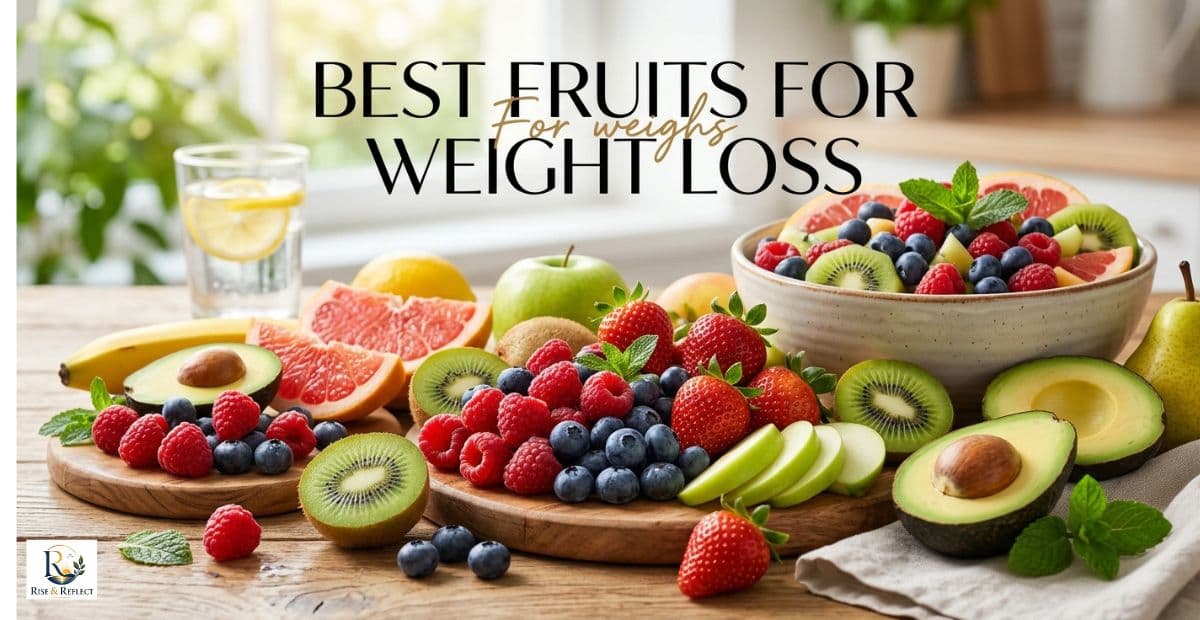
There’s this myth that just won’t die fruit is “too sugary” for weight loss, so people cut it out entirely and reach for a protein bar instead. It’s a mistake, honestly. Whole fruit isn’t remotely like a sugary snack. It comes with fiber, water, and nutrients built in, and those work with your goals, not against them.
The real question was never “should I eat fruit while losing weight.” It’s which fruits actually pull their weight. Some are higher in fiber, some lower in sugar, some just more filling per calorie than others. Below is a rundown of the 10 best fruits for weight loss, whether any of them genuinely touch belly fat, and which “superfoods” are actually worth prioritizing if you’re serious about results.
Which Fruit Is Best If You Want Results Fast?
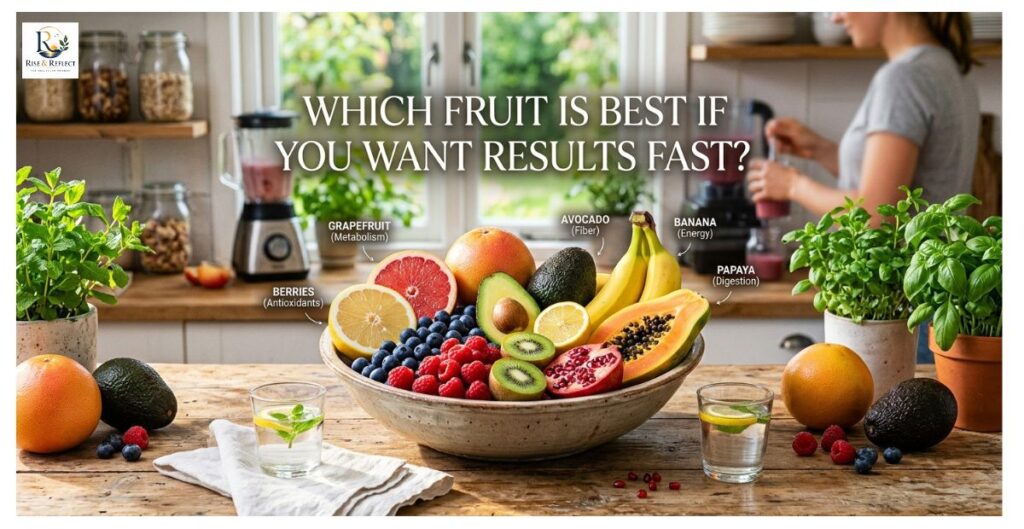
Berries — raspberries, blueberries, strawberries in particular — usually top this list, and for good reason. They’re low in sugar, high in fiber, and low in calories compared to almost every other fruit out there. A cup of raspberries runs around 65 calories and packs roughly 8 grams of fiber, which is a genuinely efficient trade.
That said, let’s clear something up: no fruit causes “fast” weight loss on its own. That’s just not how it works. What berries actually do well is keep you full on very few calories, which makes staying in a calorie deficit — the thing that actually drives weight loss — feel a lot less like deprivation.
Why berries beat most other fruit: compared to something like bananas or grapes, berries have a much higher fiber-to-sugar ratio. That means slower digestion, less of a blood sugar spike, and hunger staying away longer. If you’re picking one fruit to lean on, berries are the easy choice.
10 Fruits Worth Prioritizing
1. Berries (raspberries, blueberries, strawberries). Low sugar, high fiber, loaded with antioxidants. Genuinely one of the most filling fruits per calorie you can find.
2. Apples. The fiber’s concentrated in the skin, so eating one whole beats juicing every time. A medium apple gets you around 4-5 grams of fiber.
3. Grapefruit. Shows up in a lot of weight-loss research, mostly thanks to high water content and a lower glycemic impact — decent as a pre-meal option.
4. Pears. Fiber profile similar to apples. Good snack between meals when you need something that actually holds you.
5. Watermelon. Mostly water, which sounds unimpressive but means real volume and fullness for very few calories.
6. Oranges. More fiber than the juiced version obviously offers, plus vitamin C, and the texture takes long enough to eat that it naturally slows you down.
7. Kiwi. Small, but punches above its weight nutritionally. Decent fiber, tangy, works well mixed into a yogurt-based breakfast.
8. Papaya. Has digestive enzymes and fiber that support gut health — which indirectly does your metabolism a favor too.
9. Peaches. Lower calorie, decent fiber, and honestly satisfying enough to work as a dessert stand-in.
10. Pomegranate. Rich in antioxidants and fiber, and the seeds take a while to eat, which slows down mindless snacking almost by accident.
Does Any Fruit Actually Burn Belly Fat?
Not directly — spot reduction just isn’t how the body works, no matter what any fruit’s marketing implies. That said, fiber- and antioxidant-rich fruits like berries, grapefruit, and apples are the ones most linked to reduced belly fat over time. The mechanism isn’t magic; it’s that they support better blood sugar control and cut down on the overeating that drives fat storage, visceral fat around the midsection included.
The actual connection: belly fat tracks closely with blood sugar spikes, insulin resistance, and an overall calorie surplus. Fiber-rich fruit slows sugar absorption, which helps avoid the blood sugar swings tied to more fat storage in the midsection. So no, no fruit erases belly fat by itself but consistently choosing high-fiber, lower-sugar fruit over processed snacks adds up to a real, measurable difference over weeks and months.
The 5 “Superfoods” Worth Knowing About

Fruit’s only part of the picture. These five keep showing up across weight loss research, fruit and otherwise:
- Berries — high fiber, low sugar, loaded with antioxidants
- Leafy greens (spinach, kale) — barely any calories, huge nutrient density
- Greek yogurt — protein that supports fullness and holds onto muscle
- Avocado — healthy fat that slows digestion and improves satiety
- Legumes (lentils, chickpeas) — fiber and plant protein together, which is genuinely rare
Notice the pattern: every one of these is high in fiber, protein, or both. That’s really the entire formula behind most “superfood” claims — nothing more mysterious than that.
How to Add These Best Fruits for Weight Loss to Your Daily Routine

- Eat it whole, not juiced. Juicing strips out the fiber, which is the part that actually makes fruit filling in the first place.
- Pair it with protein. Apple slices with peanut butter, or berries with Greek yogurt — either combo keeps you full a lot longer than fruit alone.
- Use fruit as a replacement, not an addition. Swap it in for processed snacks rather than stacking it on top.
- Watch portions on higher-sugar fruit. Grapes, mangoes, bananas — all healthy, but easy to eat way more of than you’d think.
- Keep it visible at home. Convenience quietly decides what you actually reach for more than willpower does.
Questions People Ask
Which fruit is best for fast weight loss? Berries, usually — high fiber, low sugar, filling on very few calories. Just know that no fruit causes rapid weight loss by itself.
Does any fruit burn belly fat? Not directly, no. But high-fiber fruits like berries, apples, and grapefruit support better blood sugar control, and that’s linked to reduced abdominal fat over time.
What are the healthiest fruits for weight loss overall? Berries, apples, grapefruit, pears, watermelon, oranges, kiwi, papaya, peaches, and pomegranate — these are the ones that show up again and again as the most filling, most fiber-rich options.
What are the 5 superfoods for weight loss? Berries, leafy greens, Greek yogurt, avocado, and legumes. Mostly because they’re high in fiber, protein, or both.
Can eating too much fruit actually slow down weight loss? It’s possible, particularly with higher-sugar fruit eaten in large amounts. Portions still matter — but whole fruit, in reasonable amounts, helps far more than it hurts.
Bottom Line
Fruit isn’t something to fear while you’re losing weight it’s actually one of the easiest, most satisfying tools you have. If you’re searching for the best fruits for weight loss, the answer isn’t complicated: reach for fiber-rich, lower-sugar options like berries and apples most of the time, eat fruit whole instead of juiced, and pair it with protein when you can.
What makes these the best fruits for weight loss isn’t some hidden trick it’s fiber, volume, and staying power, all working together in something that actually tastes good. That’s the whole formula, and it’s why these choices keep showing up on every credible list of the best fruits for weight loss.
Tomorrow, swap one processed snack for a serving of berries or an apple, and build from there. Small, repeated swaps like that leaning on the best fruits for weight loss instead of guessing are what actually move the scale over time.