
“Breakfast is the most important meal of the day” sounds like something printed on a cereal box to sell you cereal. But when it comes to weight loss, it actually holds up. What you eat in the morning shapes your appetite, your energy, and honestly, your willpower for the rest of the day. Skip it, or grab something sugary on the way out the door, and by 10am you’re raiding the snack drawer. Get it right, and cravings stay quiet for hours.
This guide covers what a genuinely useful healthy breakfast for weight loss actually looks like, a simple 7-day rotation you can follow without overthinking it, what people really mean by a “flat belly breakfast,” and some honest guidance if you’re hoping to drop a couple of kilos in the next two weeks.
If you’ve been searching for a healthy breakfast for weight loss that doesn’t involve giving up everything you enjoy, you’re in the right place. This isn’t about one perfect meal it’s about building a rotation you’ll actually stick with on a random Tuesday morning, not just when you’re feeling motivated.
By the end, you’ll have a clear idea of what a solid healthy breakfast for weight loss looks like day to day, plus a realistic take on what’s actually achievable in two weeks versus what’s just marketing hype.
What Should I Eat for Breakfast to Lose Weight?

Short version: protein, fiber, and a bit of healthy fat. That combination is what keeps you full, not just “healthy sounding” ingredients on their own. It’s also what prevents the blood sugar rollercoaster you get from something like a pastry or a bowl of sweetened cereal, the kind of breakfast that leaves you hungry again by mid-morning.
A few reliable go-tos:
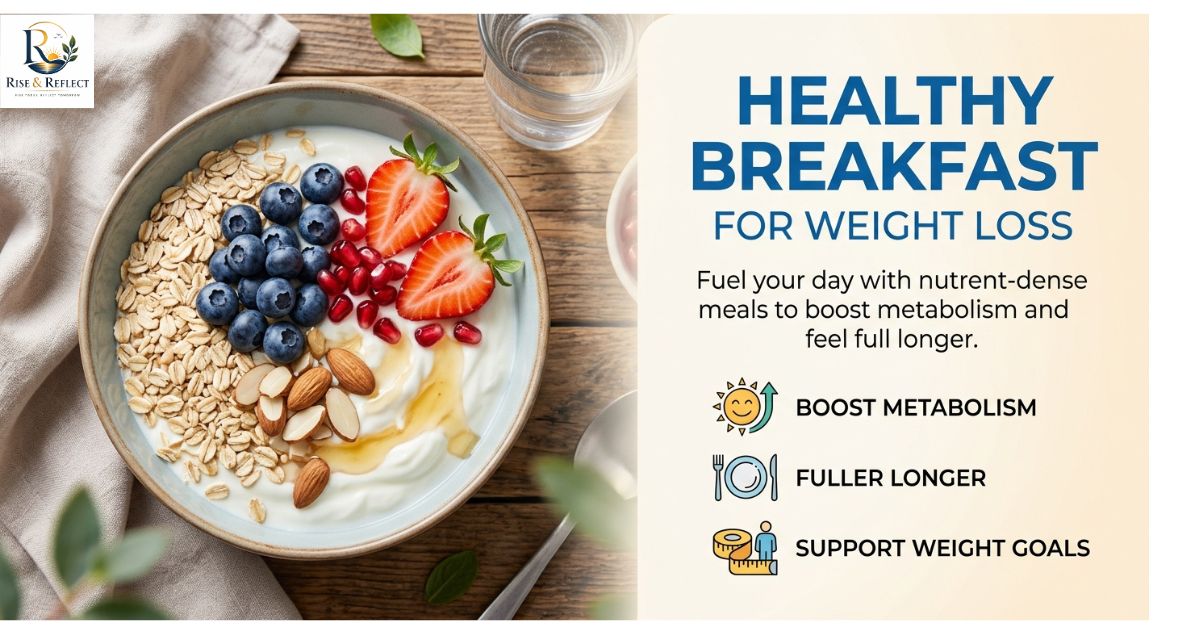
Eggs with vegetables is about as classic as it gets, high protein, keeps you satisfied for hours. Greek yogurt with berries and a handful of nuts covers protein, fiber, and a bit of natural sweetness in one bowl. Oatmeal topped with chia seeds and fruit gives you slow-digesting carbs plus fiber. A vegetable smoothie with protein powder works well on mornings when you’re genuinely rushed. And whole-grain toast with avocado and a boiled egg is an easy one to throw together with almost no prep.
None of this is about eating less. It’s about eating things that actually hold you over.
7-Day Healthy Breakfast for Weight Loss: A Simple Plan
Repeating the same breakfast every day gets old fast, and boredom is a real reason people abandon a plan. Here’s a seven-day rotation using ordinary ingredients you can find anywhere.
Days 1-3, protein-forward: scrambled eggs with spinach and tomatoes, Greek yogurt with mixed berries and almonds, a vegetable omelet with a slice of whole-grain toast.
Days 4-5, fiber-heavy: oatmeal with chia seeds, banana, and cinnamon, then overnight oats with flaxseed and berries the next day.
Days 6-7, quick and light: a protein smoothie with spinach, banana, and peanut butter, followed by avocado toast with a boiled egg.
This isn’t a rigid script. Swap things around based on what’s in your fridge, just keep that protein-fiber-fat combo in mind no matter what you pick.
What Is a Flat Belly Breakfast?
Let’s get one myth out of the way first, there’s no single food that melts belly fat overnight, no matter what the headline says. A “flat belly breakfast” really refers to meals that reduce bloating and go easy on digestion, not some fat-burning miracle bowl.
That usually means avoiding excess salt, artificial sweeteners, and refined sugar, and leaning toward things like warm lemon water followed by a light, protein-based meal, oatmeal with ground flaxseed for digestion, yogurt with probiotics for gut health, or a cucumber and mint-infused smoothie, which is hydrating and low in sodium.
Bloating usually comes down to consistency and gut health over weeks, not one perfect breakfast. Drinking enough water and just… eating a bit slower actually makes a noticeable difference too.
How to Lose 2 kg in 2 Weeks Safely
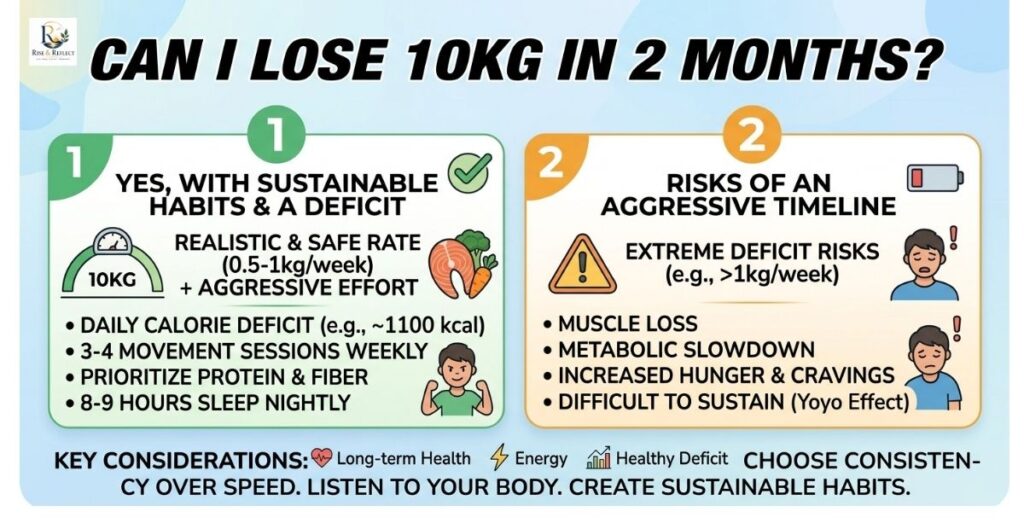
This is doable for a lot of people, but “safely” is the operative word. Most health guidelines put sustainable weight loss at around 0.5 to 1 kg per week, so aiming for the higher end of that over two weeks is realistic, no extreme measures required.
A few things that genuinely help hit that pace: prioritize protein at breakfast so you’re not starving by 11am, cut back on liquid calories like sugary coffee drinks and soda (these add up faster than people expect), get moving with even a 20-30 minute daily walk, watch your portions instead of cutting out entire food groups, and don’t skimp on sleep, since poor sleep is directly linked to higher hunger hormones the next day.
Skip the crash diets. They tend to cause muscle loss, exhaustion, and a rebound once you go back to normal eating, which kind of defeats the purpose. If you’ve got any underlying health conditions, check with a doctor or dietitian before starting anything new.
Breakfast Mistakes That Quietly Sabotage Weight Loss
A few habits look harmless but tend to slow down your healthy breakfast for weight loss progress more than people realize:
Skipping breakfast entirely, which almost always backfires and leads to overeating later in the day. Drinking juice instead of eating whole fruit, since it’s surprisingly high in sugar and missing most of the fiber that actually keeps you full. Underestimating portions of “healthy” foods like granola or nut butter — both are way more calorie-dense than they look, even in small servings. And not getting enough protein, which leaves you hungry again within an hour or two, no matter how “clean” the meal seemed.
The good news is you don’t have to fix all of these at once. Even correcting one or two of these habits often does more for your healthy breakfast for weight loss goals than overhauling your entire diet ever would.
So before you start second-guessing everything you eat, take a look at whether one of these sneaky habits is quietly working against your healthy breakfast for weight loss efforts — it’s usually an easier fix than people expect.
Frequently Asked Questions
What should I eat for breakfast to lose weight? A mix of protein, fiber, and healthy fats, think eggs with vegetables or Greek yogurt with berries, works best for keeping you full and supporting weight loss.
What is the best drink to have with breakfast for weight loss? Water, herbal tea, or black coffee. All add hydration without the added sugar you’d get from juice or flavored coffee drinks.
Can I lose weight by only changing my breakfast? Breakfast helps, but it’s one piece of a bigger picture that includes your whole day’s eating, activity, and sleep. A better breakfast is a strong start, not the whole solution.
Is skipping breakfast better for weight loss? Not necessarily. Intermittent fasting does work for some people, but plenty of others find a balanced breakfast keeps appetite in check and prevents overeating later.
How quickly can I expect to see results? Most people notice small shifts, less bloating, steadier energy, within one to two weeks of eating consistently well.
Final Thoughts
A healthy breakfast for weight loss doesn’t need to be complicated, bland, or expensive. Get the protein-fiber-fat balance right and you’ll start the day satisfied, keep cravings in check, and make the rest of your goals a lot easier to stick to.
That’s really the whole point of a good healthy breakfast for weight loss it’s not about restriction, it’s about setting yourself up so the rest of the day feels easier instead of like a constant battle with hunger.
Pick two or three ideas from this guide and actually try them this week. Pay attention to how your hunger and energy shift throughout the morning small, consistent changes to your healthy breakfast for weight loss routine really do add up over time.